Timor-Leste Launches Innovative Data-Based Initiative to Improve and Modernize the National Social Protection System
Dili, Timor-Leste. The Government of Timor-Leste, through the Ministry of Social Solidarity and Inclusion (MSSI), the Timor-Leste National Institute of Statistics (INETL, I.P.), and the United Nations World Food Programme (WFP), has launched a data-based initiative to strengthen the national social protection system and improve maternal and child nutrition outcomes.
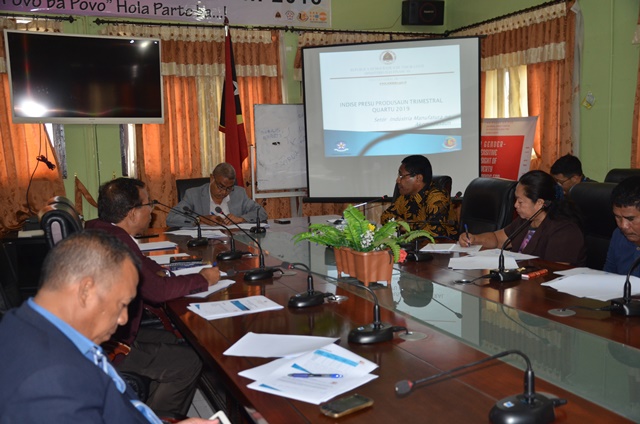
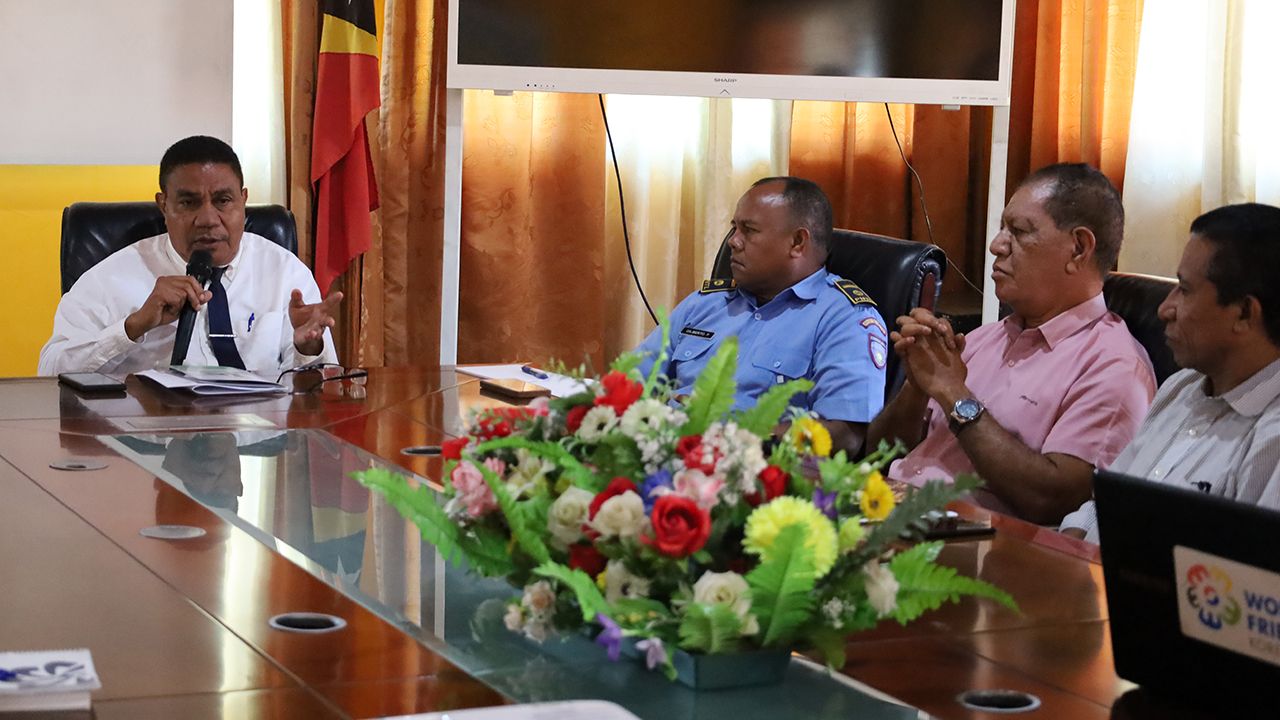
At the signing ceremony on February 11, Minister of Social Solidarity and Inclusion H.E. Verónica das Dores explained the importance of this collaborative step:
“Our objective is to build a fair, resilient, and responsive social protection system. With this partnership, Timor-Leste has taken an important step to improve maternal and child nutrition, reduce stunting, and strengthen systems that protect our most vulnerable citizens.”
As part of this initiative, INETL, I.P., has signed a comprehensive agreement with MSSI and WFP/PAM to conduct a household census in the municipalities of Covalima, Ermera, and Oecusse, starting in March 2026. This activity will collect socio-demographic and vulnerability data from nearby households—60,000 to establish a national social registry and target beneficiary support for the Conditional Mother’s Scholarship for Maternal and Child Health Nutrition (BdMK_SANUTRIO) program.
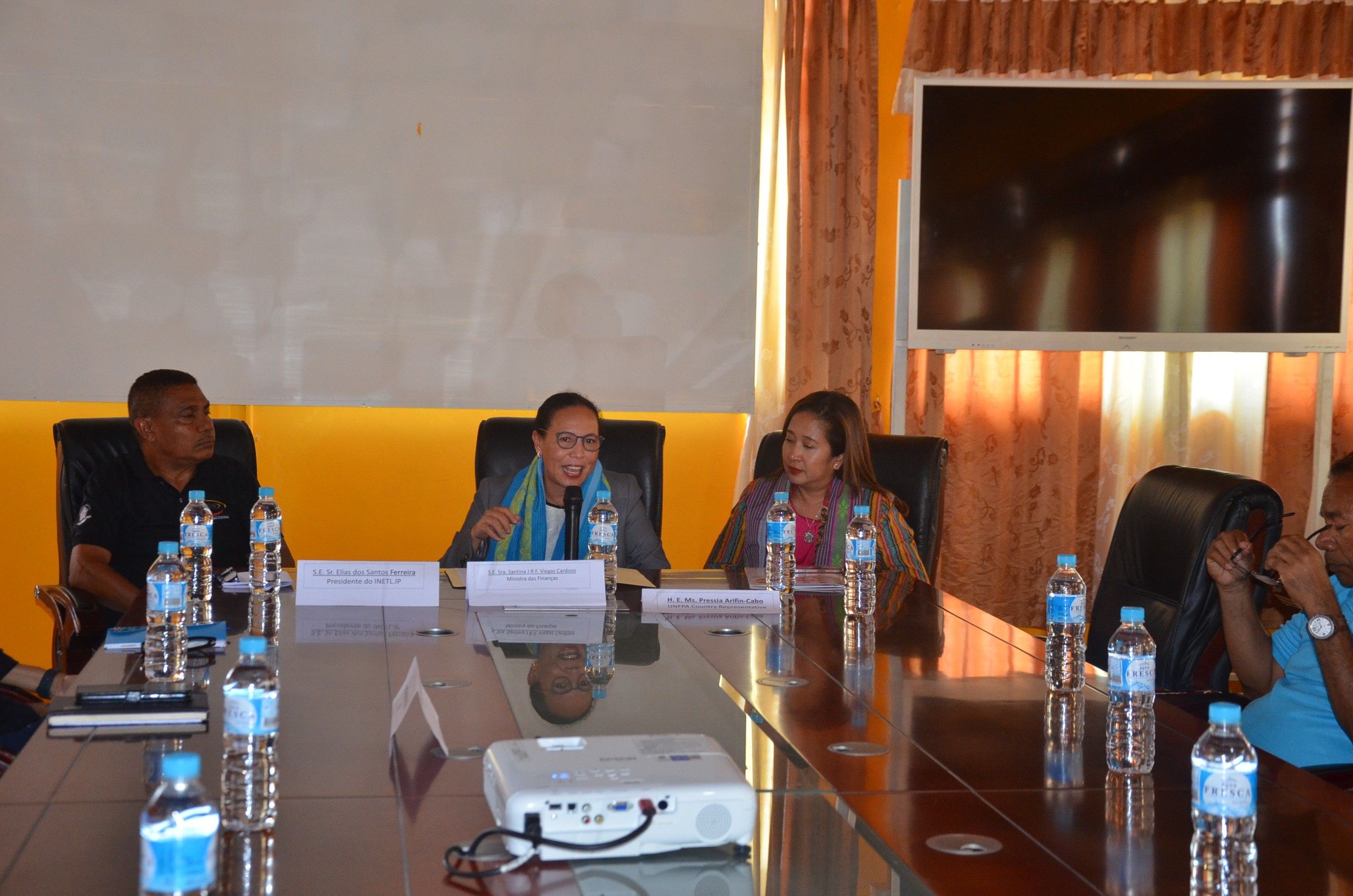
President of INETL, I.P., Mr. Elias dos Santos Ferreira, spoke about the central role of data in effective policy:
“Reliable data is the basis of good policy. This census will not only strengthen our ability to accurately identify BdMK_SANUTRIO program targets but also serve as the basis for a future national social registry that ensures government decisions are based on the best available evidence.”
A major innovation in this partnership is the application of the Proxy Means Test (PMT) model with artificial intelligence/machine-learning enhancement, developed jointly by WFP and INETL, I.P., in collaboration with MSSI, with support from the Asian Development Bank (ADB). This innovation places Timor-Leste as the first country in Southeast Asia to adopt a machine-learning approach to social protection targets, representing a significant modernization of the national data system.
Using this new digital model to assess household vulnerability makes the process faster, more consistent, and less dependent on subjective judgment, as all households are assessed with the same data-based criteria. The system will also be updated regularly with national survey data, such as the Timor-Leste Standard of Living Survey, to ensure that it accurately reflects the country’s economic changes. Together, these functions aim to strengthen the country’s capacity to make evidence-based decisions, especially during economic or climate shocks.
WFP representative Jacqueline de Groot underscored the importance of this progress:
“This partnership is an important step forward for Timor-Leste’s social protection landscape. By aligning with the Government’s priorities and bringing together high-quality data, advanced analytics, and strong national leadership, we are helping to ensure that the right support reaches families who need it most. WFP is proud to support this nation-led effort.”
In addition to supporting the BdMK-SANUTRIO Program, which targets pregnant women, breastfeeding mothers, and children under three years of age, the census will serve as a pilot for the Government’s long-term objective of creating a strong and integrated national social registry. Such registration is critical to providing adaptive and shock-responsive social protection services, which help vulnerable families in times of crisis. With this partnership, Timor-Leste has demonstrated a strong commitment to implementing data-based public policies and modernizing social protection systems, which ultimately contribute to healthier families and stronger national resilience.